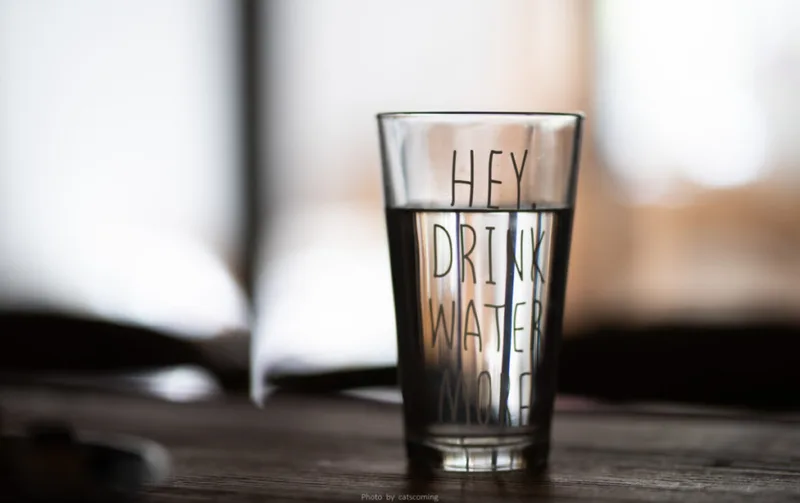
Staying hydrated is essential for good health.
After all, your body is about 60% water, and all your cells and organs depend on water to function properly. So how much do you really need to be drinking?
It’s a simple question but unfortunately, no single amount fits everyone perfectly. Your individual water needs depend on many factors, including age, sex, health conditions, how active you are and the environment you live in.
We’ve all heard the advice that we should drink eight 8-ounce glasses of water a day (or 1.9 liters). That’s an easy, reasonable goal to remember, but that’s a little low and we can get more dialed in than that.
Here’s what the National Health and Nutrition Examination Survey recommends as adequate daily fluid intake based on age and sex:
| Sex | Age | Recommended Fluid Intake |
|---|---|---|
| Child | 2-3 | 1.3 L / 5.5 cups |
| Female | 4-8 | 1.7 L / 7.2 cups |
| 9-13 | 2.1 L / 8.9 cups | |
| 14-18 | 2.3 L / 9.7 cups | |
| 19-50+ | 2.7 L / 11.4 cups | |
| Male | 4-8 | 1.7 L / 7.2 cups |
| 9-13 | 2.4 L / 10.1 cups | |
| 14-18 | 3.3 L / 13.9 cups | |
| 19-50+ | 3.7 L / 15.6 cups |
Keep in mind these recommendations are for total fluid intake. For most people, only about 80% of daily fluid intake comes from water and other beverages; the other 20% usually comes from food.
Why Does It Matter?
Adequate hydration is required to regulate body temperature, keep joints lubricated, prevent infections, deliver nutrients to cells, and keep organs functioning properly. Being well-hydrated also improves sleep quality, cognition, cardiovascular function and mood.
In contrast, even mild dehydration – losing as little as 1% of your usual water weight – can result in fatigue, weakness, headaches and even exercise-related asthma. One of the first symptoms of dehydration is thirst. But sometimes people mistake thirst for hunger, which can lead to consuming extra calories instead of water.
Do Caffeine & Alcohol Count?
It’s a common belief that both coffee and beer, despite being fluids, actually end up removing more water from our bodies than they add. This is due to the fact that caffeine and alcohol are both diuretics – substances that stimulate our body to urinate more.
The good news is that studies have shown the water content in coffee or tea is greater than the dehydrating effect of caffeine. Sure, you’ll end up urinating slightly more – but you get more water into your system, so you end up coming out ahead.
Drinking coffee or tea should be considered as a good, hydrating activity.
For alcohol, though, the shift from “hydrating” to “dehydrating” depends on the percentage, and it changes at a surprisingly low percentage. When a drink is 1% alcohol or lower, it’s hydrating – it will have more than enough water to offset the diuretic effect of alcohol.
But once an alcoholic drink reaches 4-5% alcohol by volume – the level of most beers, it’s no longer hydrating. When you consume 200 ml of a typical 5%-strength beer, you end up urinating approximately 320 ml of water, you’re losing water!
This effect grows stronger with higher alcohol content. If you switch to wine, mixed drinks, or shots, you can expect to grow increasingly dehydrated with each extra drink you consume.
Hydration Hacks
Fortunately, you don’t necessarily need to drink glass after glass of water to stay hydrated – your fluid intake can be in other forms that just straight water. Try these 8 hydrating lifehacks.
- Eat juicy fruits and crispy veggies: Fruits such as melons, papaya, peaches, oranges, and pears all provide a lot of fluid in addition to their nutrients. The same goes for leafy greens, cucumbers, zucchini, and tomatoes.
- Soups and stews: These broth-based foods make for hydrating meals.
- Smoothies: Smoothies are a great way to hydrate and replenish nutrients after a workout and also make a good between meal snack.
- Eat chia seeds: Chia seeds absorb nine times their weight in water and therefore help you to stay hydrated longer. They also pack in an abundance of nutrients, including iron, calcium, and magnesium.
- Try bubbly water: Not a fan of plain water? Invest in a soda stream and make your own low-sugar, carbonated beverages. Those bubbles can do wonders for plain water.
- Eat hydrating whole grains: Believe it or not, prepared grains like oatmeal can contribute to your total hydration because they retain water when you cook them.
- Try a frozen treat: What do sorbets, ice pops, and frozen yogurts all have in common? They are all generally lower calorie desserts that also provide you with a lot of liquid. Aim for those with whole fruit and lower sugar for a satisfying dessert.
How Much Water Should You Drink Each Day: Key Takeaways
Even mild dehydration can affect you mentally and physically. Make sure that you’re getting enough fluids every day – it’s one of the best things you can do for your overall health.
We want our entire community to be healthier and stronger so they can do more of what they love. Good nutrition and hydration habits, proper exercise and regular chiropractic care to keep your body working optimally are the best ways to reach that goal.
Need a chiropractor in the Brookfield, Waukesha, Wauwatosa, or New Berlin areas? Call us at 262-345-4155 to make an appointment or use our online scheduling app – we’d love to help you get the most out of your body!