If your child suddenly stops using an arm after it was pulled, have a pediatrician, urgent care clinician, or emergency department assess them promptly. A pulled elbow (also called nursemaid’s elbow or radial head subluxation) is common in young children, but another injury, including a fracture, can look similar. Do not try to force the arm to move or put it back yourself.
What is nursemaid’s elbow?
In a young child, a sudden pull on the hand or wrist can allow tissue around the elbow joint to slip out of its usual position. It often happens while lifting or swinging a child by the arms, or when a child pulls away while holding an adult’s hand. It is most common in children younger than five, though older children can be affected.
What signs should parents look for?
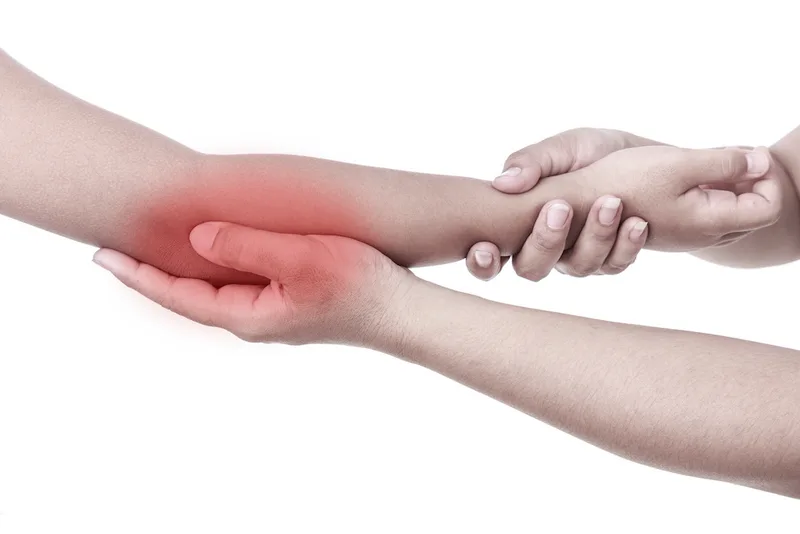
A child may cry when the injury happens and then hold the affected arm close to the body, slightly bent, without wanting to use it. Moving the arm can hurt. Nursemaid’s elbow usually does not cause obvious swelling or deformity. Swelling, bruising, a visible change in shape, or pain after a fall makes another injury more concerning and calls for prompt medical assessment.
Can I fix nursemaid’s elbow at home?
A clinician should first examine your child and decide whether the injury is a pulled elbow or something else. If the diagnosis fits, a trained clinician can usually restore normal movement with a brief maneuver. An X-ray is not always needed, but may be recommended when the history or examination suggests a fracture or the child does not start using the arm after treatment. Avoid repeated attempts to move or straighten the arm before it has been assessed.
When should I seek care?
Seek prompt medical care whenever your child is not using an arm normally after an injury. Go to an emergency department for a deformed arm, significant swelling, an open wound, a cold or pale hand, or severe pain. If a clinician has treated a pulled elbow and your child still will not use the arm as expected, follow their instructions for reassessment.
How can I help prevent it?
Lift a child from under the arms rather than by the hands or wrists. Avoid swinging a child by the arms or tugging an arm to stop a fall. Some children have another pulled elbow while their joints are still developing, so use the same precautions after recovery.
Sources and review
This article was reviewed against the American Academy of Pediatrics guidance on nursemaid’s elbow and Alder Hey Children’s Hospital parent guidance on October 10, 2026. A qualified clinician should assess an individual child’s injury.