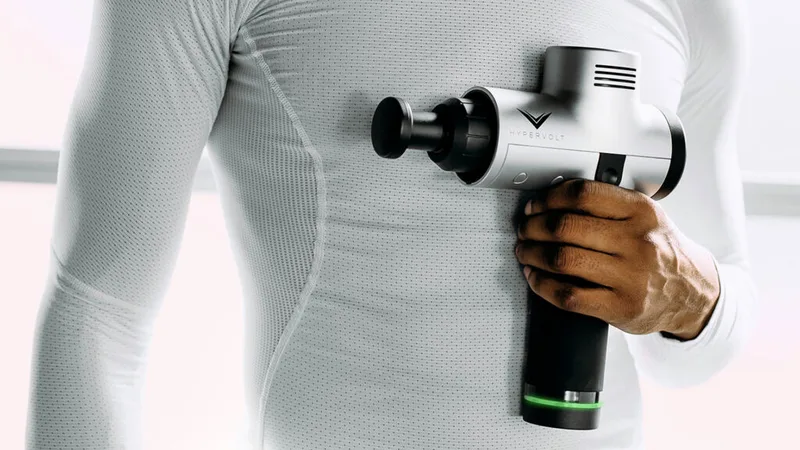
Gym closed? Here’s how to avoid the #Quarantine15.
Let’s be honest, the majority of Americans are going to come out of this quarantine in one of two ways: super fit because they’ve had nothing to do but workout for weeks or in dire need of a diet and serious chiropractic care because they rarely left their couch.
As the coronavirus pandemic leaves us hunkered down at home and the state-wide ‘stay home’ order closes all non-essential businesses, most of us are left without access to our gyms or workout studios. Sure, it’s not an easy transition, but switching to a home workout routine now will help you stay in shape, keep your muscle gains and help ease the anxiety that a lot of us are feeling right now.
But even more importantly, keeping up with strength training is an essential part of spine health and stability. If you’re a patient at Ascent Chiropractic you’re probably sick of hearing me stress the importance of daily resistance exercise, but the quarantine isn’t an excuse to slack off. Just because the gym shuts down doesn’t mean your body has to – staying in shape and building muscle even while stuck at home is totally doable.
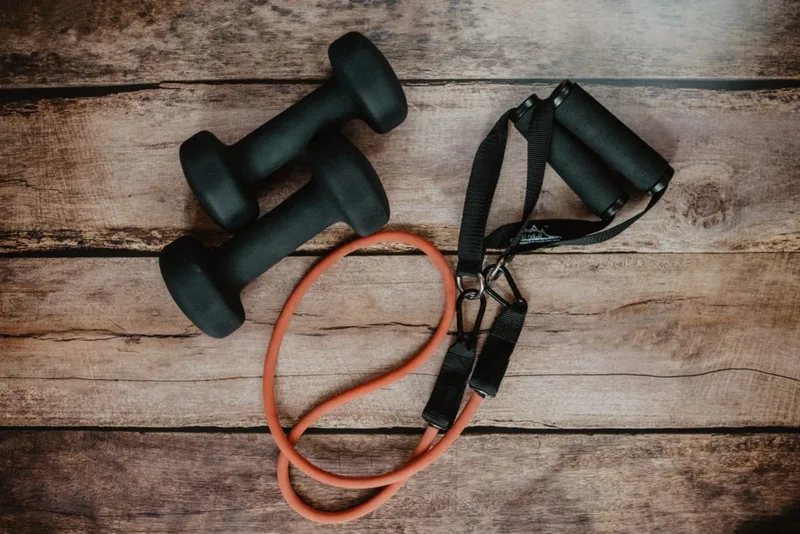
Just to clarify, this isn’t a “how to equip a home gym” article. If you have the free space and means to buy a bar, a rack, and a bunch of iron, home gyms are great, but they’re not necessary. Most of these exercises are bodyweight only, but a set of resistance bands (available from our online store) and a set of 10-20lb dumbbells (or alternatively, gallon water jugs) opens up a lot more exercises.
Let’s get to it.
Modifying Your Current Training Program
To modify a pre-existing training program for home training, you’ll need to choose exercises that train the same muscle groups as the exercises in your current training program, and define how you aim to progress them.
For example, if you sub out bench press for push-ups, aim to progress by completing more reps each session. If you’re using bands, progressively switch to higher resistance bands to increase the resistance (for exercises like lat pulldowns or band squats), or by “choking up” on a band to increase the resistance it provides (for exercises like curls or delt raises).
If you’re using gallon water jugs as a replacement for dumbbells, I’d suggest breaking out a scale and making marks on the jug corresponding to 2, 4, 6, and 8lbs of water; once you have weights marked out on your water jugs, it’s easy to progress on exercises.
Below you’ll find a list of exercise substitutions you can do with either no or minimal equipment, targeting most major muscle groups and motor patterns.
In general, any exercise that takes you pretty close to failure within ~5-30 reps while stressing the target muscle(s) through a full range of motion will be good for improving strength and growing muscles.
One essential point: when you’re using lower resistance it’s extra important to remember to squeeze the muscle you’re targeting at the top of every rep. If you’re moving heavy weight it’s a lot easier to simply push the weight, while focusing on the next repetition, and still make progress. When you’re working higher rep/lower weight sets it’s critical to really focus on every repetition and squeeze the muscle at the top of the movement.
Don’t currently have a program? Check out our free Ascent Gym Essentials workout programs, six of the most popular, evidence-based, spine-safe workouts I give to my patients.
1. “Push” Exercises: Chest, Shoulder & Tricep Training
It’s easier to train “push” muscles (pecs, triceps, front delts) than “pull” muscles (lats, rhomboids, biceps) at home. With absolutely no purchases at all, you can basically hit every push muscle with a variety of push-ups and dips.
Chest: Standard Push-ups
Good substitute for: Bench press, chest press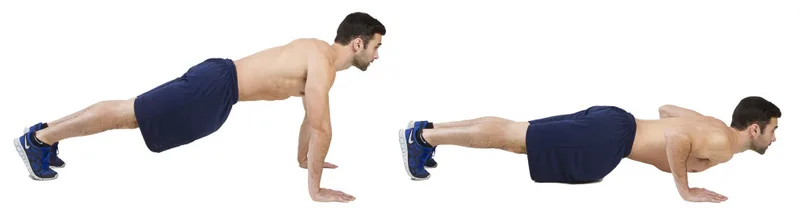
Chest: Incline Push-ups
Good substitute for: Decline bench press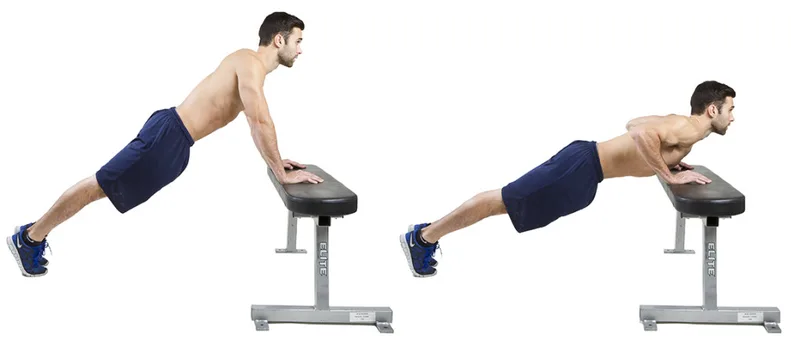
Chest: Decline Push-ups
Good substitute for: Incline bench press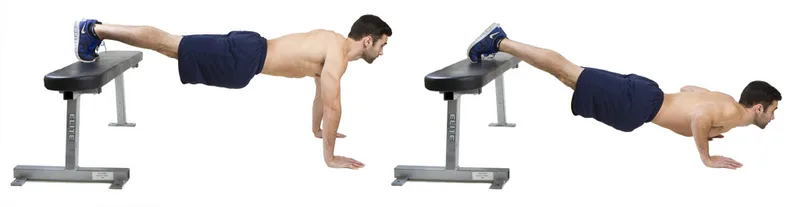
Chest: Dumbbell Flyes
Good substitute for: Machine flyes, cable flyes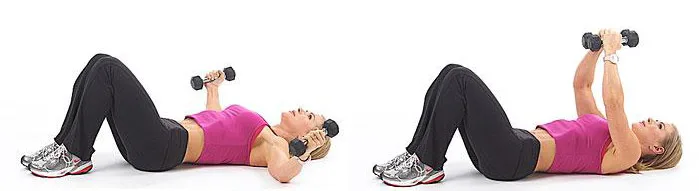
Shoulders: Pike Press
Good substitute for: Barbell overhead press, Shoulder press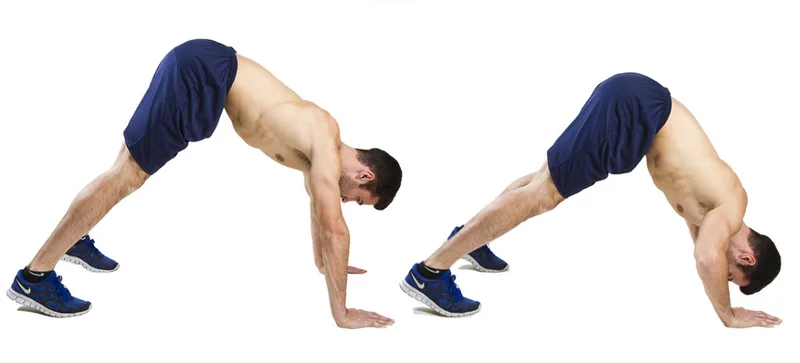
Shoulders: Dumbbell Overhead Press
Good substitute for: Barbell overhead press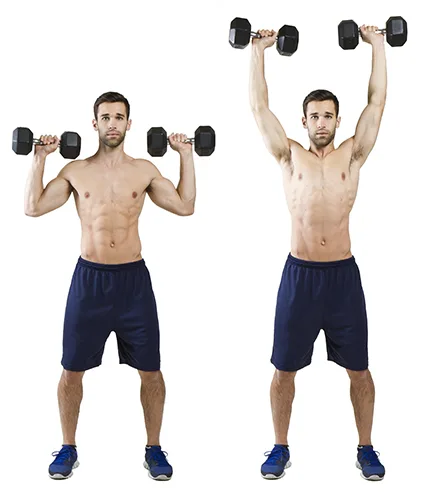
Shoulders: Handstand Push-ups
Good substitute for: Barbell overhead press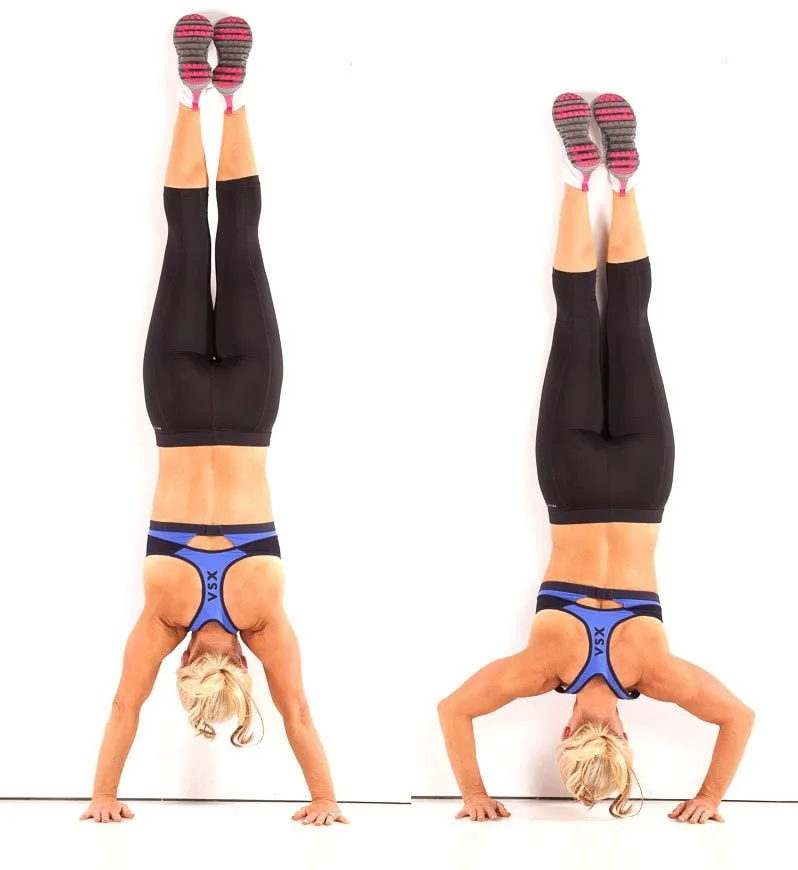
Shoulders: Dumbbell Lateral Raises
Good substitute for: Cable side delt raises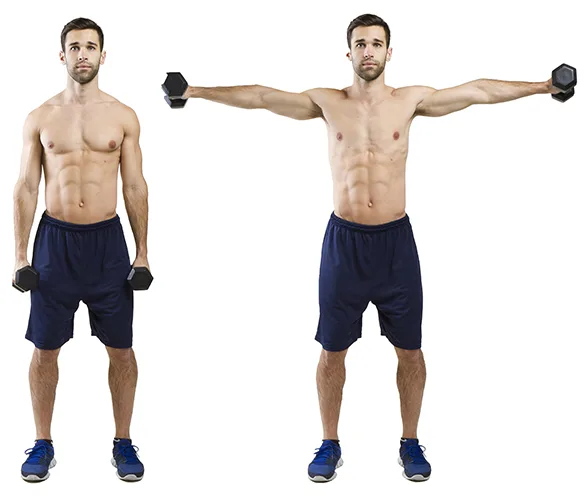
Shoulders: Dumbbell Front Raises
Good substitute for: Cable front delt raises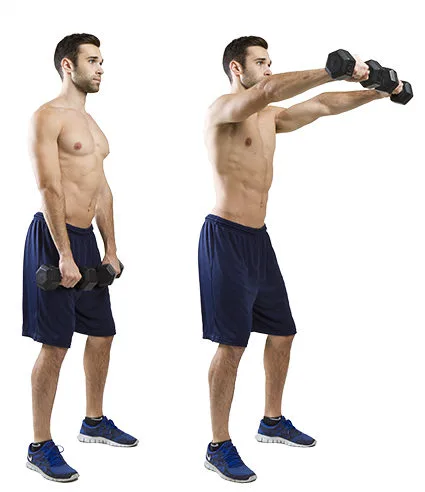
Triceps: Diamond Push-ups
Good substitute for: Close-grip bench press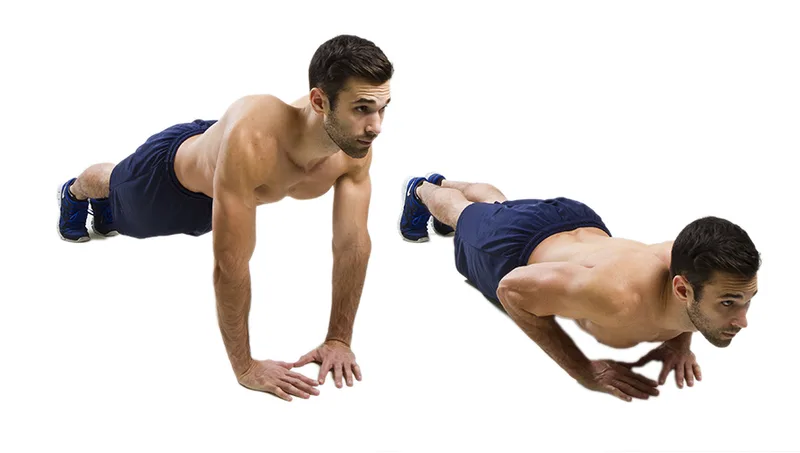
Triceps: Bench Dips
Good substitute for: Dips, tricep pushdowns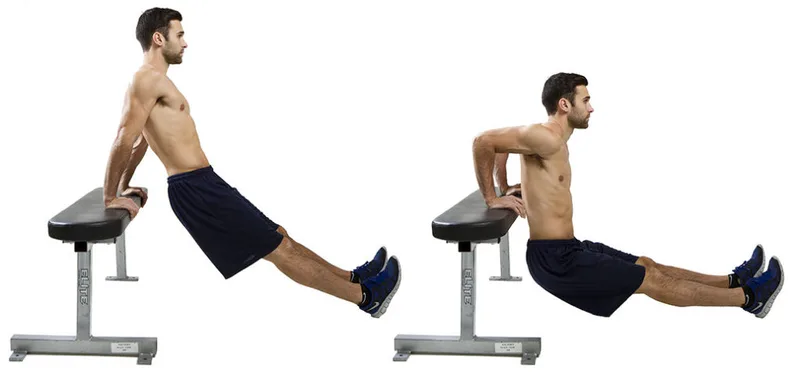
Triceps: Feet Elevated Bench Dips
Good substitute for: Dips, tricep pushdowns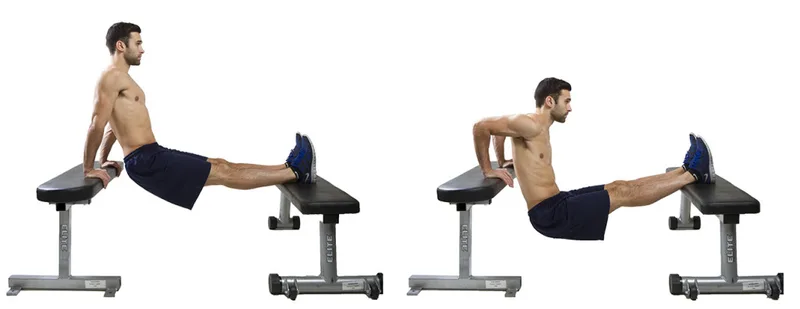
Triceps: Band Tricep Extension
Good substitute for: Cable tricep extension, skull crushers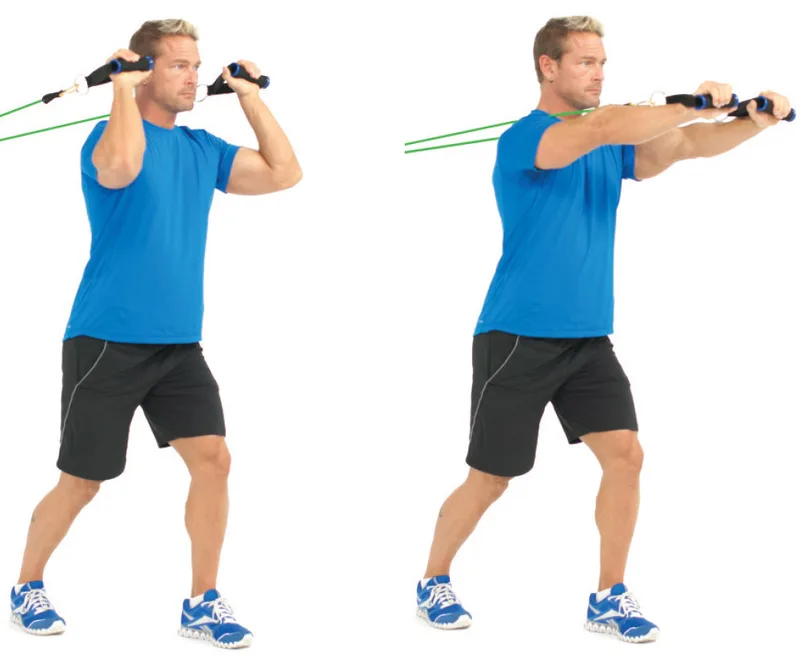
Triceps: Dumbbell Tricep Extensions
Good substitute for: Cable tricep extensions, skull crushers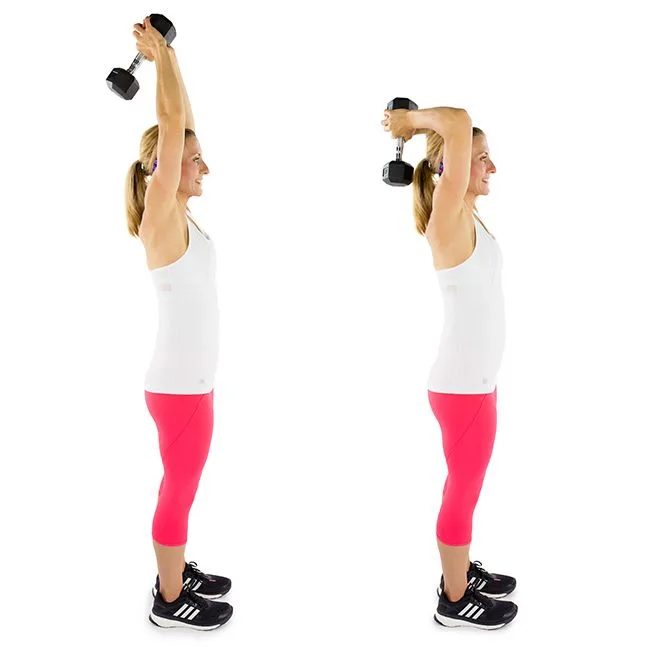
2. “Pull” Exercises: Back & Biceps Training
If you’re willing to make just one purchase, you should get a set of resistance bands. With bands back training becomes a cinch since they allow you to replicate most, if not all, back machine exercises.
Upper Back: Dumbbell Bent Rows
Good substitute for: Cable rows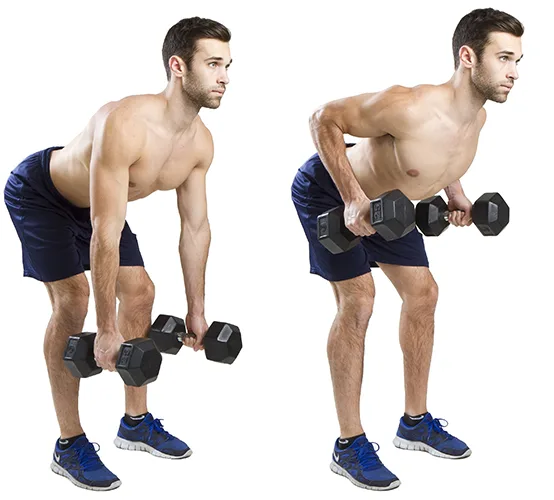
Upper Back: Band Rows
Good substitute for: Cable rows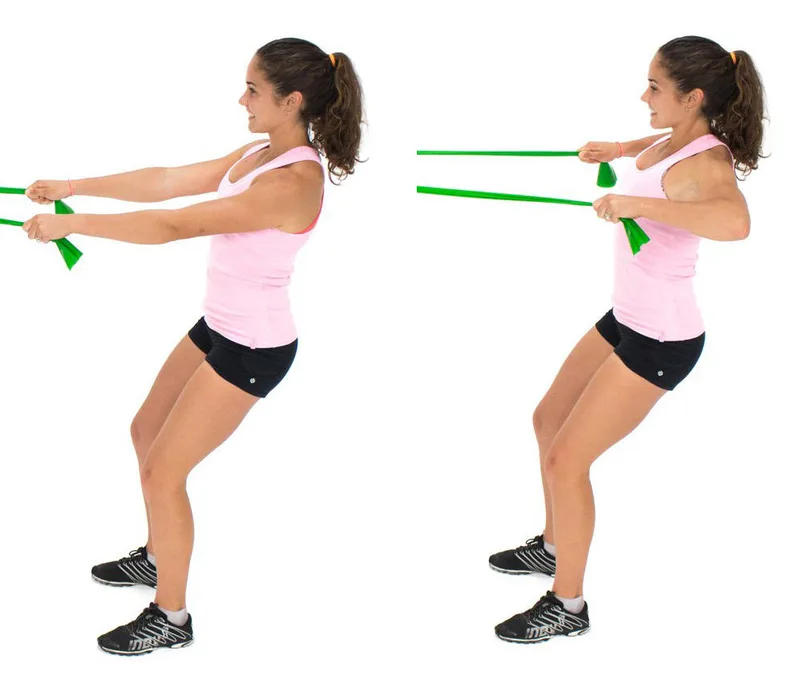
Mid-Back: Band Pulldowns
Good substitute for: Cable lat pulldowns, high rows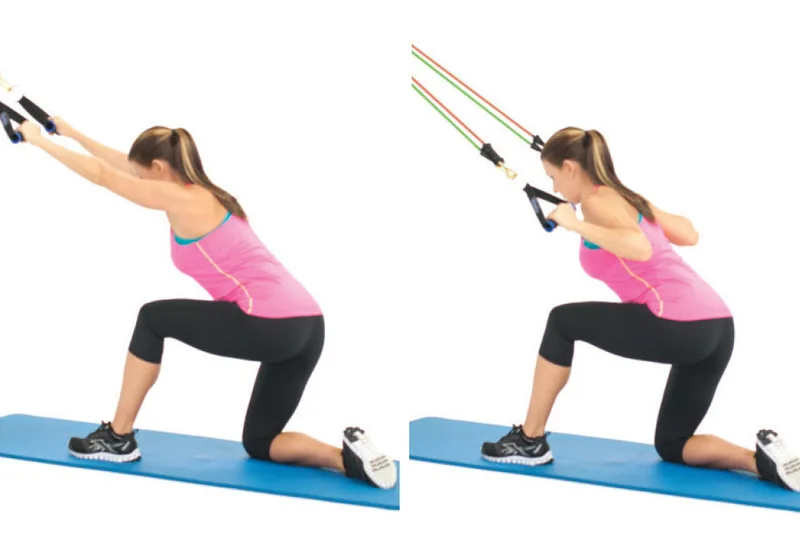
Shoulders: Band Face Pulls
Good substitute for: Cable face pulls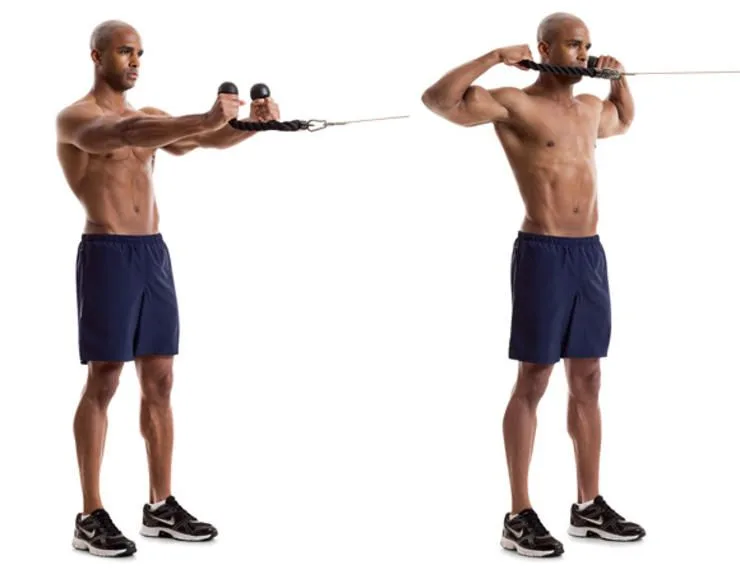
Shoulders: Band Pull Aparts
Good substitute for: Reverse flye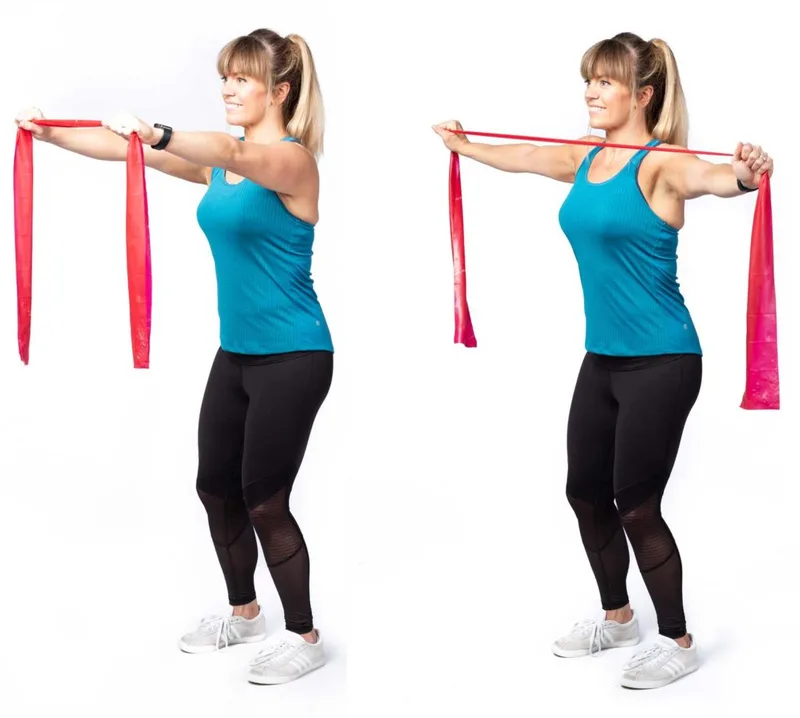
Biceps/Brachialis: Dumbbell Hammer Curls
Good substitute for: Machine curls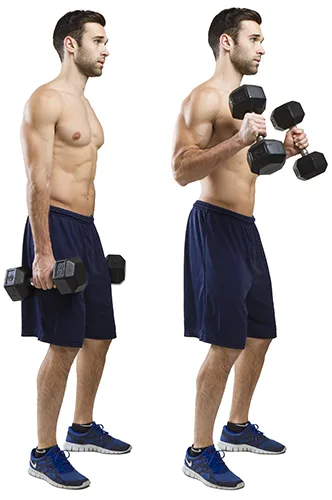
Biceps: Band Curls
Good substitute for: Preacher curl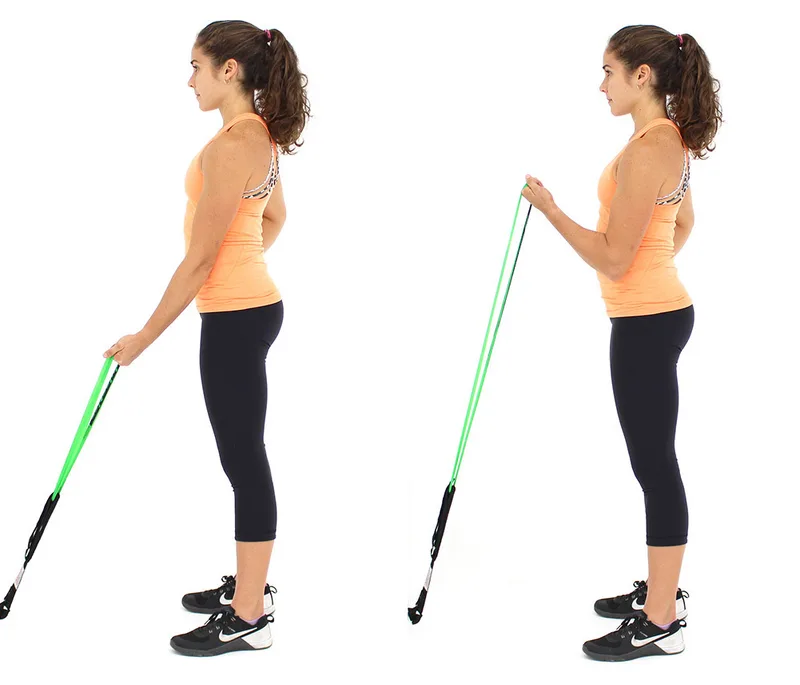
Biceps: Dumbbell Curls
Good substitute for: Barbell curl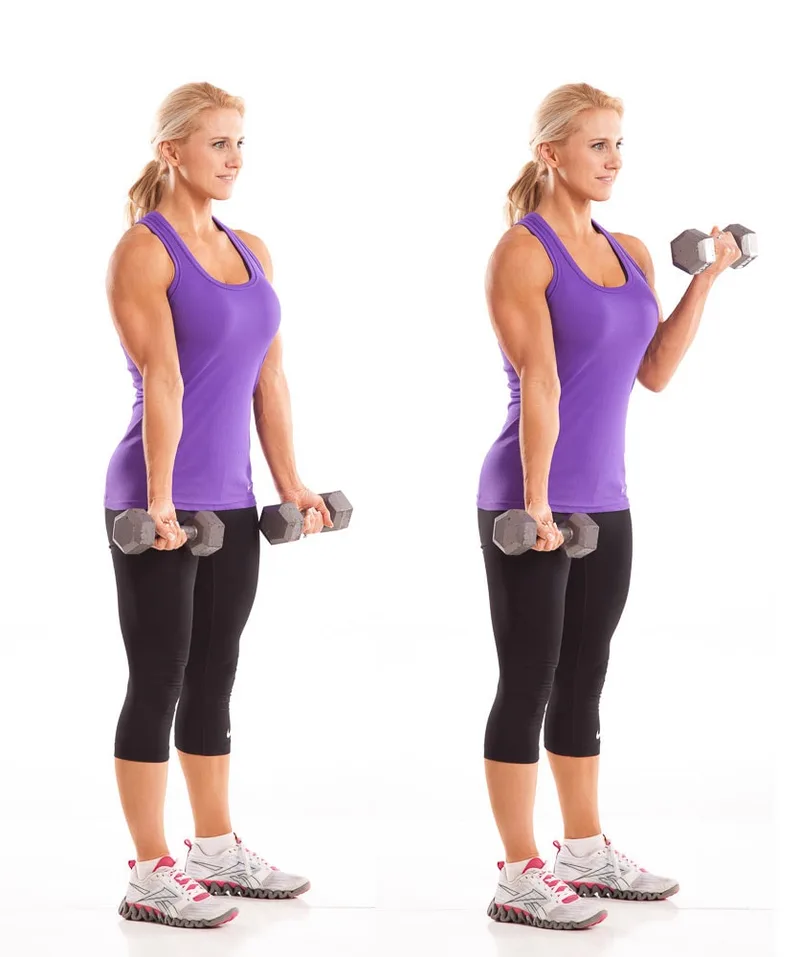
3. Lower Body Exercises: Legs & Glutes Training
Upper body training and core training are easy without a gym; replicating lower body training without a lot of external resistance is more challenging.
Quadriceps/Glutes: Bodyweight Squats
Good substitution for: Barbell squats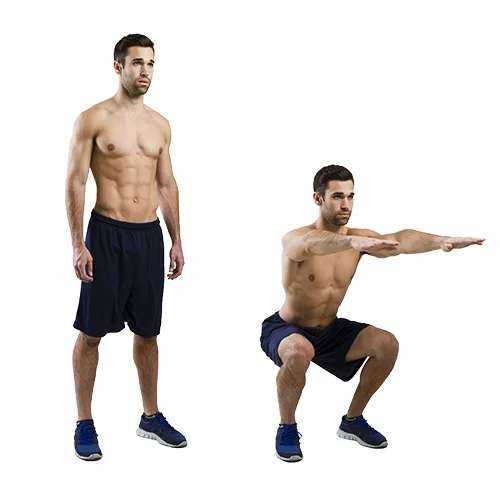
Quadriceps/Glutes: Goblet Squats
Good substitute for: Barbell squats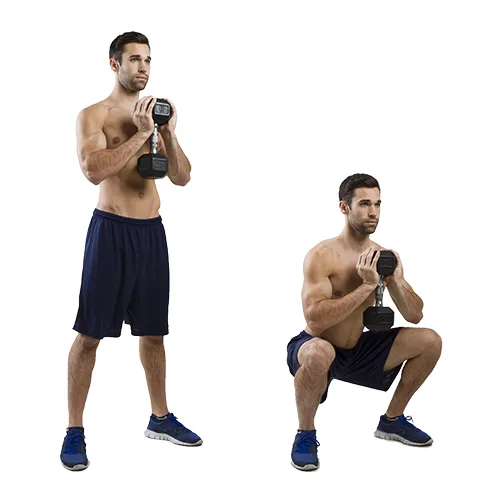
Quadriceps/Hamstrings: Romanian Deadlifts
Good substitution for: Barbell deadlifts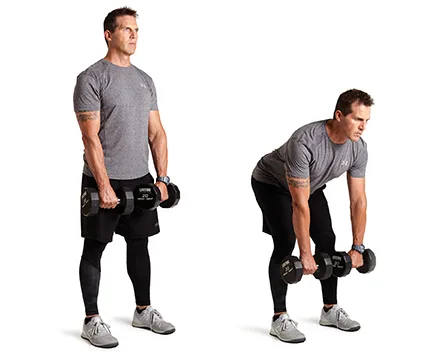
Quadriceps/Glutes: Lunges
Good substitute for: Barbell split squats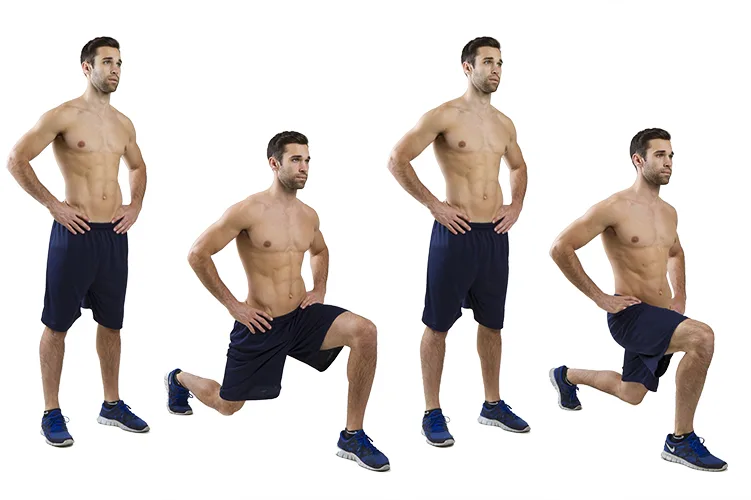
Glutes/Quadriceps: Straight-Leg Hip Bridges
Good substitution for: Leg extensions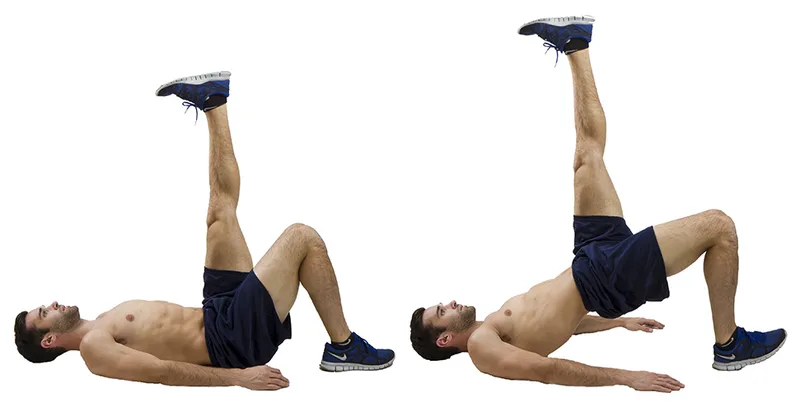
Glutes: Hip Bridges
Good substitution for: Glute kickbacks, barbell hip thrusts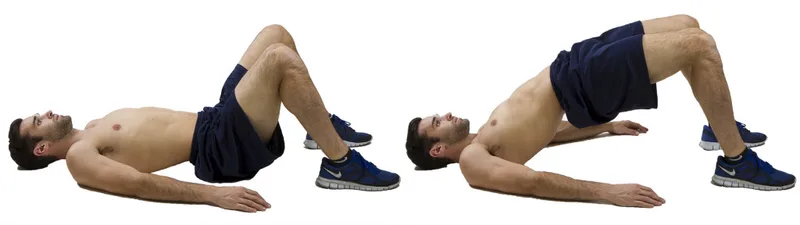
Quadriceps/Glutes: Step-ups
Good substitute for: Barbell split squats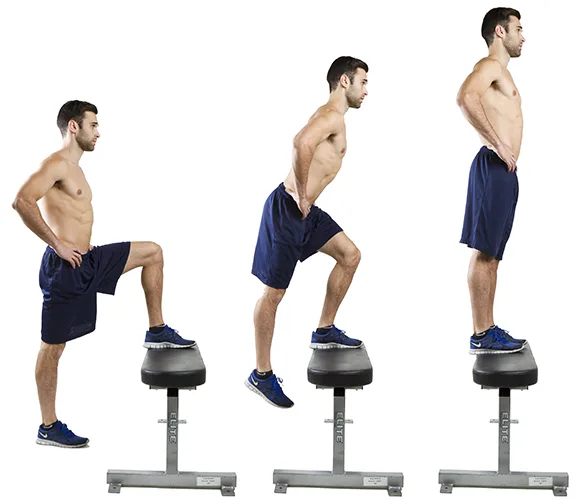
Lower Legs: Calf Raises
Good substitute for: Machine calf raises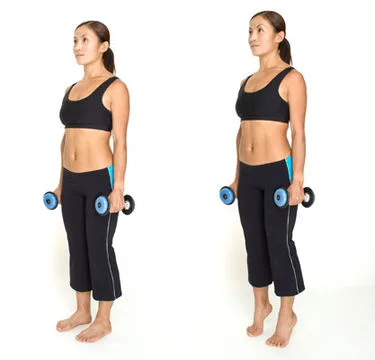
4. Core Exercises: Abs & Oblique Training
Core work is probably the easiest muscle group to hit at home, and it doesn’t require a lot of room.
Abs: Hardstyle Plank
Good substitution for: Machine crunches, cable crunches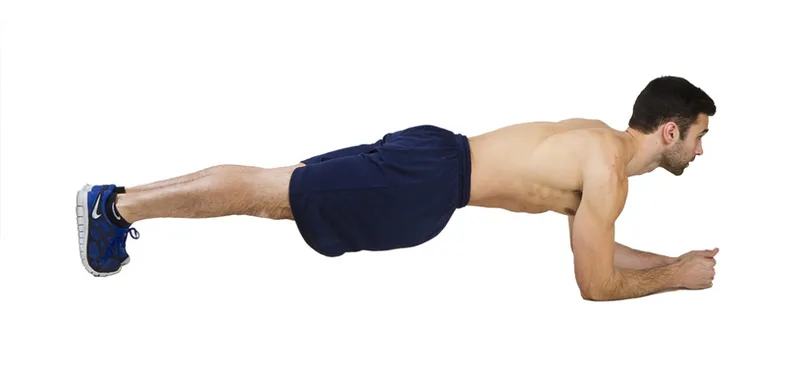
Obliques/Glutes: Modified Side Planks
Good substitute for: Hyperextensions, oblique machine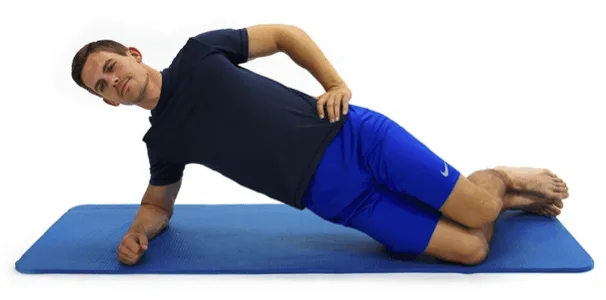
Abs/Glutes: Bird Dog
Good substitution for: Machine crunches, cable crunches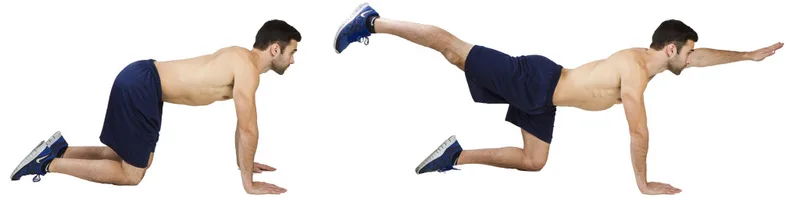
Abs: Bicycle
Good substitute for: Cable crunches, machine crunches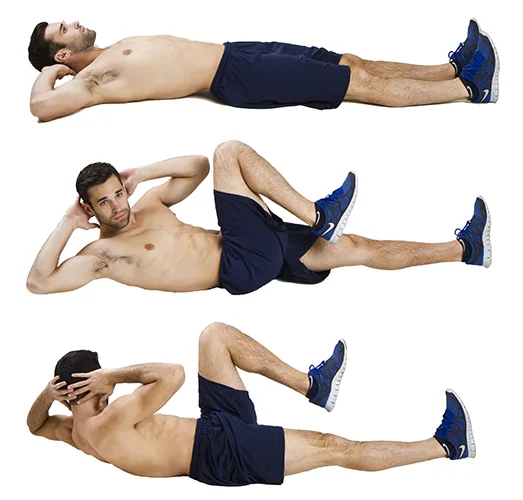
Get to it.
And that’s it! You don’t need to spend much (if any) money to get in effective home workouts, even if you’re a serious strength or physique athlete. A full home gym is certainly nice, but it’s not a necessity.
At Ascent Chiropractic, we’re serious about the belief that everyone can, and must, work out. Seriously, I’ll often literally give my patients a prescription for it and help them develop a lifting program specifically for what’s going on in their bodies.
Finally, if pain is holding you back – whether it’s back pain, headaches, knee pain, plantar fasciitis, or whatever other musculoskeletal problem you’ve got going on – we’re here for you and we want to be part of your team. Study after study shows that regular chiropractic care is an essential part of correcting problems, reducing pain and reaching your full potential.
Even though we’re currently closed during the Safer at Home quarantine, we’d still be happy to answer any questions you have. You can always call or text 262-345-4166 or schedule an appointment with our online scheduling app as soon as we’re back up and running.
Stay safe and healthy!