Not Your Average Vitamin.
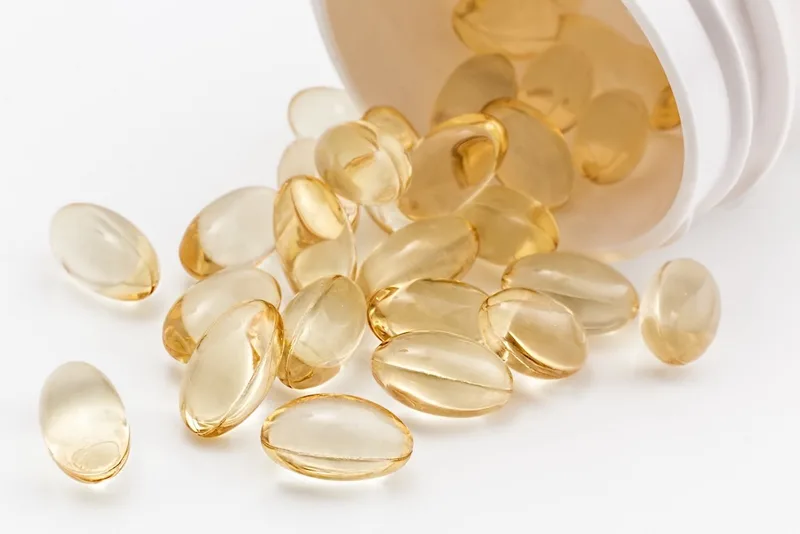
Vitamin E (aka tocopherol) was the Vitamin D of the 90’s – it was basically touted as the cure to whatever ailed you. While more research in the world of nutrition eventually led to it taking a backseat to other supplements, Vitamin E is still one of the best antioxidants available in nature, which means that it helps fight off the effects of free radicals in the body.
What Are Free Radicals?
Free radicals are byproducts of chemical reactions involving substances found in the food we eat, the medicines we take, the air we breathe and the water we drink that, if not neutralized by antioxidants, can cause cell damage throughout the body. Studies have shown that vitamin E can help with a wide range of conditions caused by free radicals, including male infertility, high blood pressure during pregnancy, liver disease and kidney problems in children. Even people with moderate to severe Alzheimer’s disease may benefit from taking vitamin E, as antioxidants can help halt the progression of memory loss due to cell damage.
Vitamin E’s Role in Preventing (and Fighting) Cancer
Recent research has even shown that there may be some benefits to consuming vitamin E when it comes to keeping cancer at bay. The Ohio State University scientists found that one form of vitamin E prevented the activation of an enzyme that is essential for prostate cancer cells to survive. With this enzyme gone, the cancer cells died and the healthy cells were left unaffected.
The authors of the study noted that “this is the first demonstration of a unique mechanism of how vitamin E can have some benefit in terms of cancer prevention and treatment.”
The findings don’t necessarily mean that everyone should run out and start taking high-dose vitamin E supplements – the human body won’t absorb the high amounts of vitamin E required to achieve the potent cancer-fighting effect observed in the study. Regardless, it still underlines the importance of making sure you’re getting your RDA of vitamin E.
Where To Get Vitamin E?
Sunflower seeds are far and away the best source you can get for Vitamin E. A quarter cup of seeds provides 82% of the recommended daily intake.
Next time you want to spice up a meal, consider adding some mustard greens to your salad (or if that’s too spicy, try Swiss chard, spinach or kale), all of which contain vitamin E. For something a little more substantial, you might want to dive into almonds or fruits like like papaya and kiwi, all great sources of vitamin E.
Vitamin E is fat soluble, meaning that excess vitamin E can be stored in your body fat, so you don’ t need to consume them as regularly as water soluble vitamins which the body has greater difficulty holding onto. So while you need to eat them regularly, your body can store a supply if you consume more than what your body will immediately use.
Discuss Your Symptoms and Care Options
Share what you’ve learned! We want our entire community to be healthier and stronger so they can do more of what they love. Good nutrition, proper exercise and regular chiropractic care to keep your musculoskeletal system working optimally are the best ways to reach that goal. Need a chiropractor in the Brookfield, Waukesha, Wauwatosa, or New Berlin areas? Call us at 262-345-4155 to make an appointment or use our online scheduling app – we’d love to help you get the most out of your body!
Source
Huang P, et al. Vitamin E Facilitates the Inactivation of the Kinase Akt by the Phosphatase PHLPP1. Science Signaling. 19 March 2013.